
In our previous post, we fact-checked four major misconceptions about electric vehicles (EVs). Well, it turns out there are more! We look at three others and why they should not be stopping you from considering an EV.
Misconception 5:
- What they say: EVs are hard to drive
- What we found: EVs are fun to drive
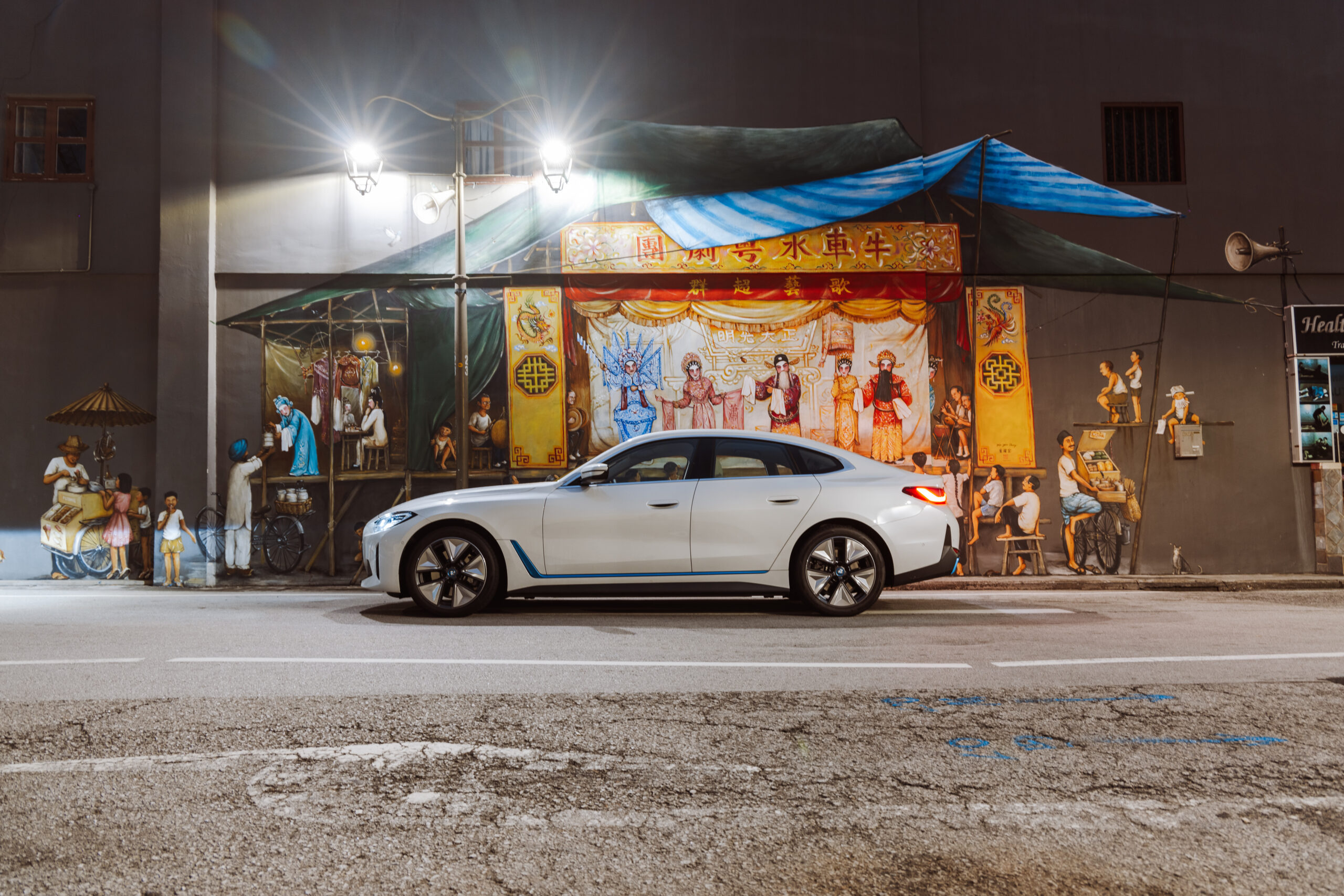
Instant torque. Two words that highlight why EVs are actually a fun drive.
Unlike ICE vehicles which takes time for the RPM (revolutions per minute) to get going, EVs achieve full torque the second you hit the accelerator. So, if another driver were to rev-challenge you at the red light, you can leave him gaping at the back of your tailpipe (no local emissions!) as you silently pull away.
With an EV, you don’t have to learn how to drive differently. Although you may have to get used to how silent the car can be.
Interestingly, EV batteries helps with driving dynamics. Due to their weight, the batteries are usually placed in the undercarriage of the car. This ensures a low centre of gravity which makes for great handling and ease when rounding those corners.
Browse our range of BMW electric vehiclesMisconception 6:
- What they say: EVs are very expensive
- What we found: EV owners enjoy lower costs
While it used to be that EVs cost more than conventional vehicles, their price points have become more attractive in recent times.
Governments around the world are now offering various incentives to push for a greener drive. In Singapore, you can enjoy rebates under the Electric Vehicle Early Adoption Incentive (EEAI).
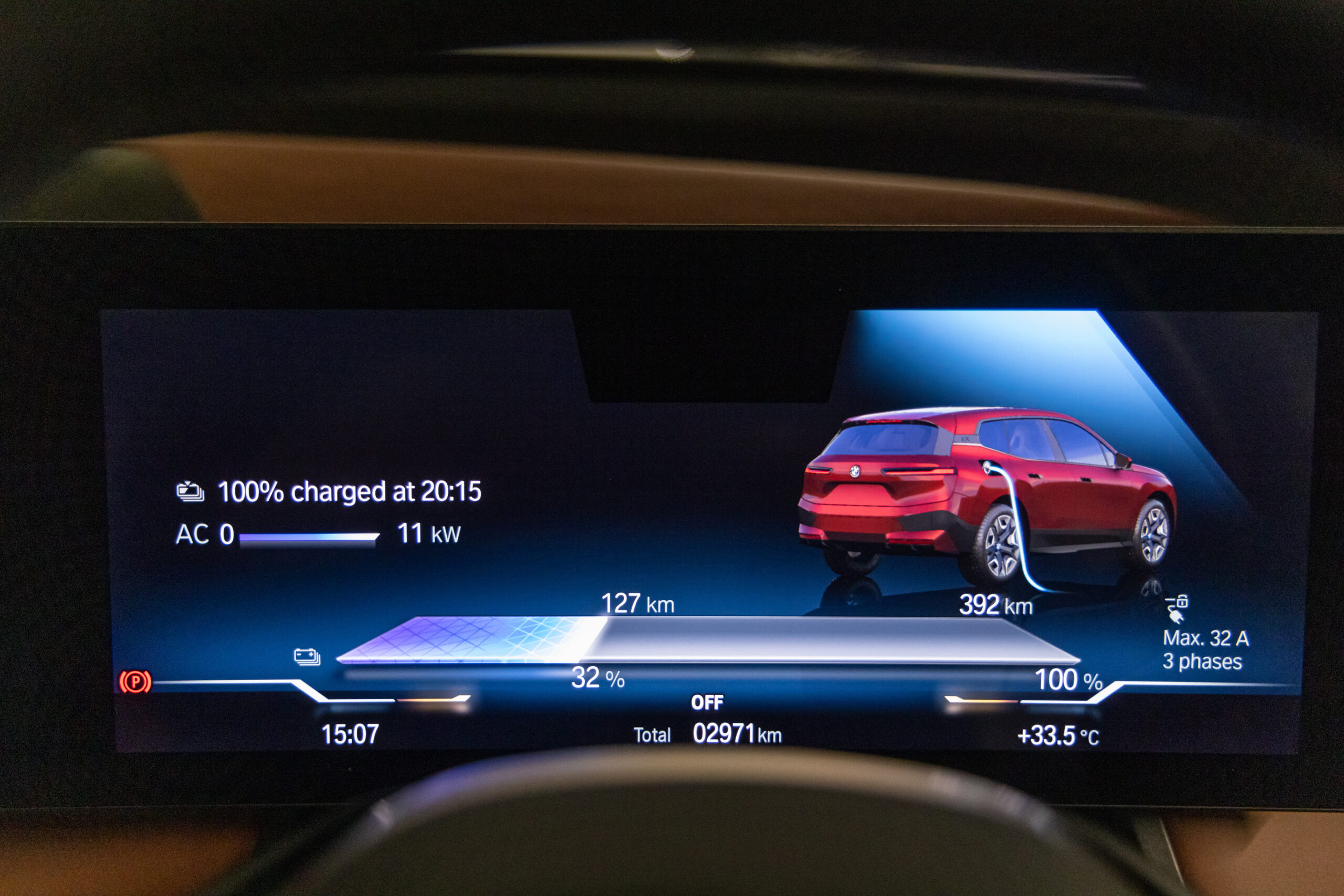
As an EV owner, you will also enjoy lower maintenance and energy costs. An EV has fewer moving parts so there is less wear and tear. It does not need regular oil changes. Charging with electricity is also cheaper than fuelling up with petrol.
If you are not sure about buying an EV now, why not consider leasing one for the time being?
Misconception 7:
- What they say: Choice of EV models limited
- What we found: EVs are now the model of choice
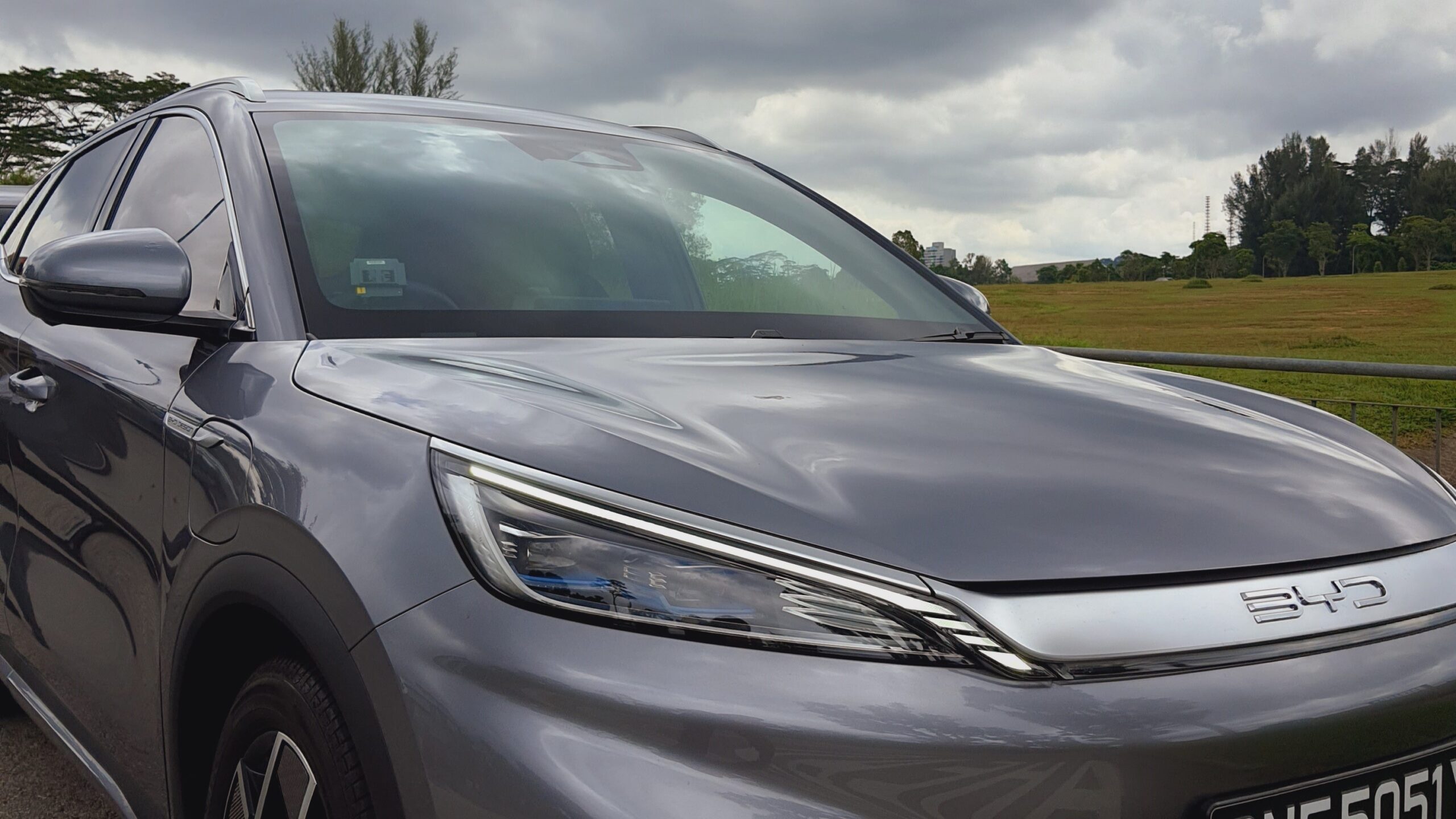
While Tesla is still the most associated with EVs, all major automakers have been increasing their rollouts of electric powertrains.
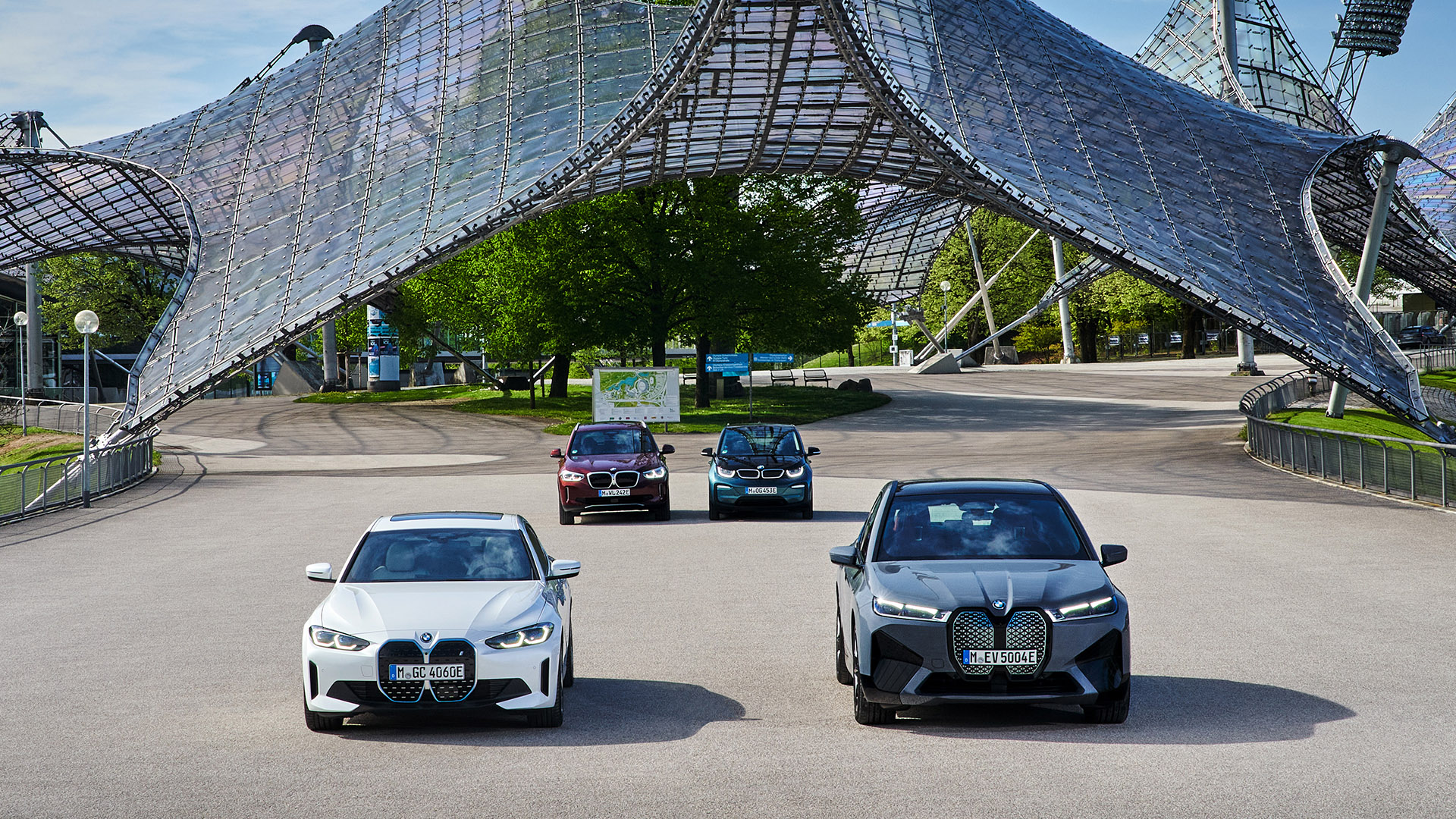
BMW, for example, aims to deliver 2 million fully-electric vehicles to customers by 2025. It expects around 50% of its global sales to be BEVs by 2030. French car maker, Peugeot, has said that all its models will be electrified by 2023.
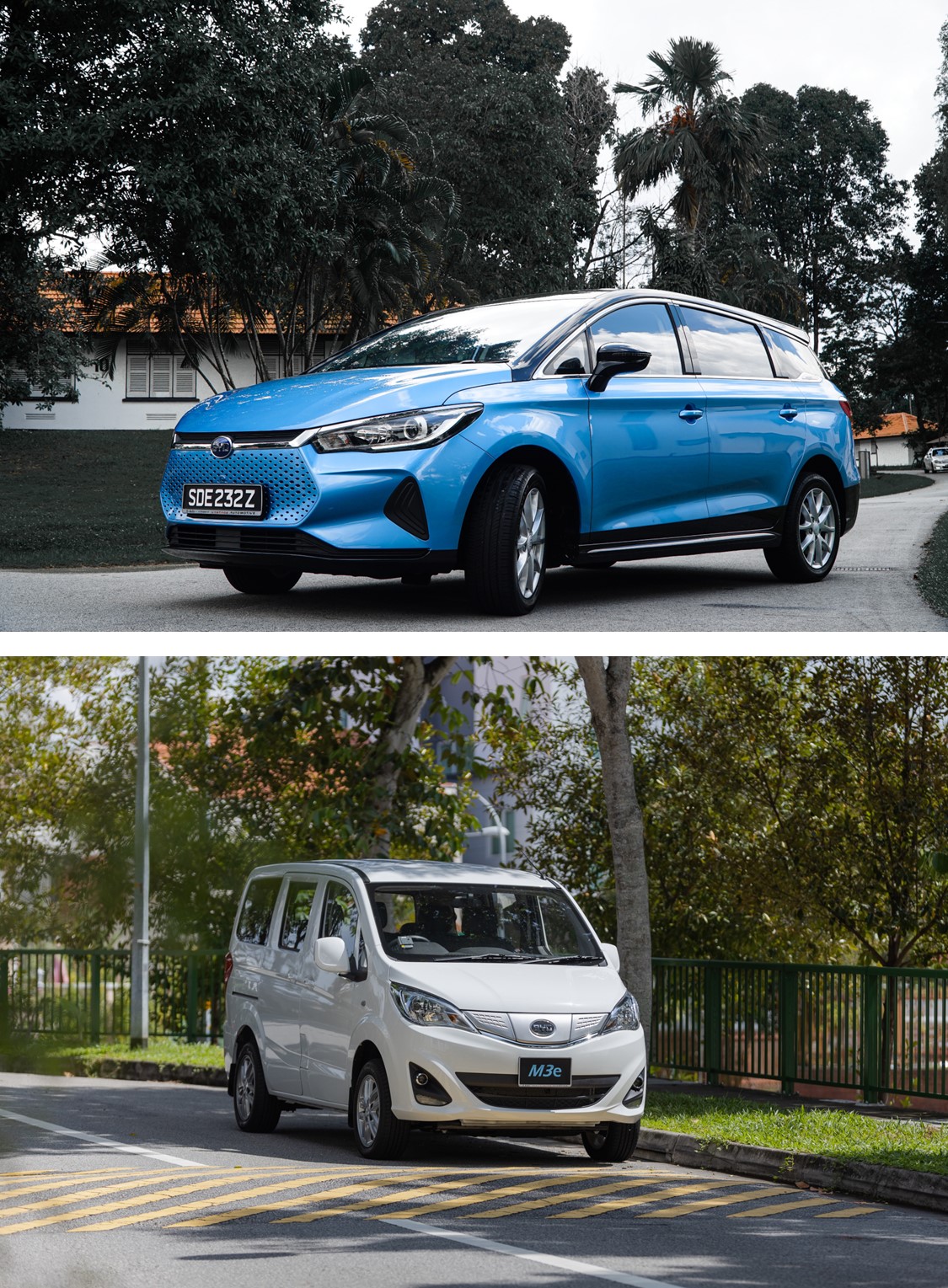
In the meantime, you can already find fully-electric or plug-in hybrids from classic sedans to SUVs and larger MPVs today.

Want more interesting and useful content from us?
By subscribing, you’ll receive occasional email from Sime Darby Motors Singapore. You always have the choice to unsubscribe later on.