
The take-up of electric vehicles (EVs) is steadily picking up speed around the world and Singapore is no exception. But efforts to get more drivers to jump on the electric powertrain continue to be hampered by misconceptions about EVs. We look at what’s real and what’s not to help you decide if you want to get one.
Misconception 1:
- What they say: EVs don’t have enough range
- What we found: Range is more than enough for daily commute
It is unlikely that you will be stuck on a busy highway because the battery has gone flat in your electric vehicle.
EVs today can go farther than the average daily distance covered by drivers, which in Singapore’s case is about 55 kilometres.
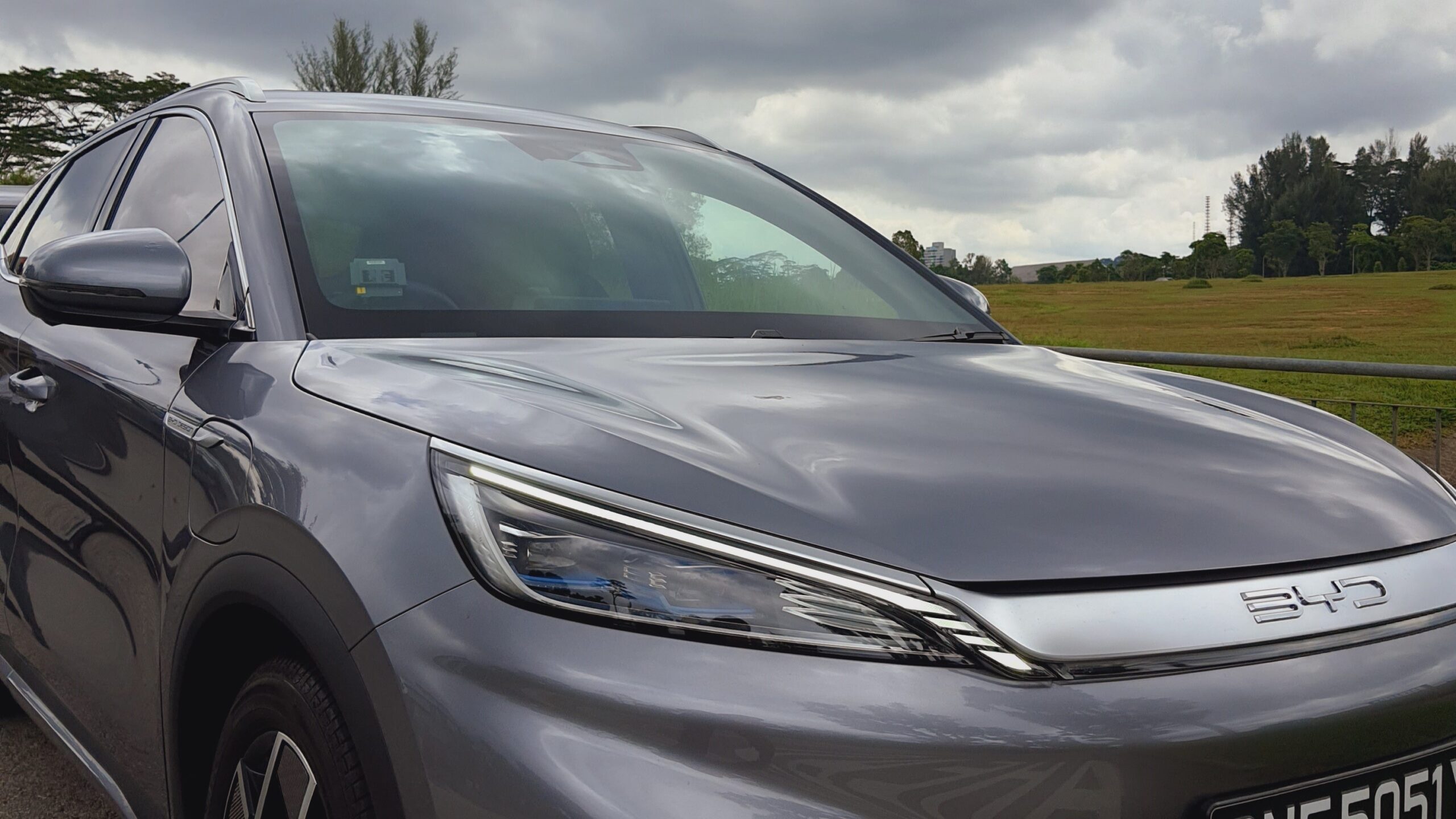
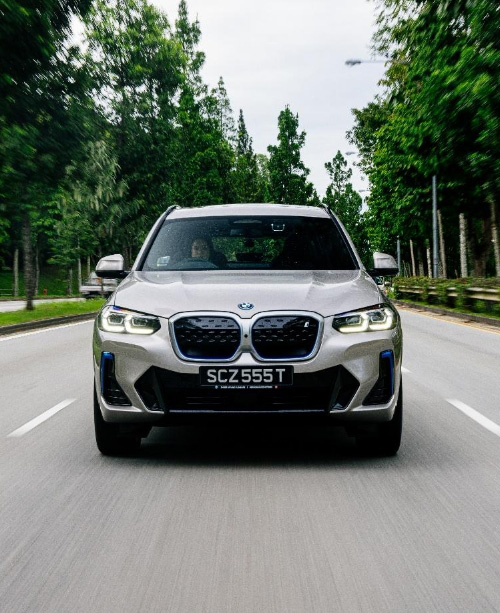
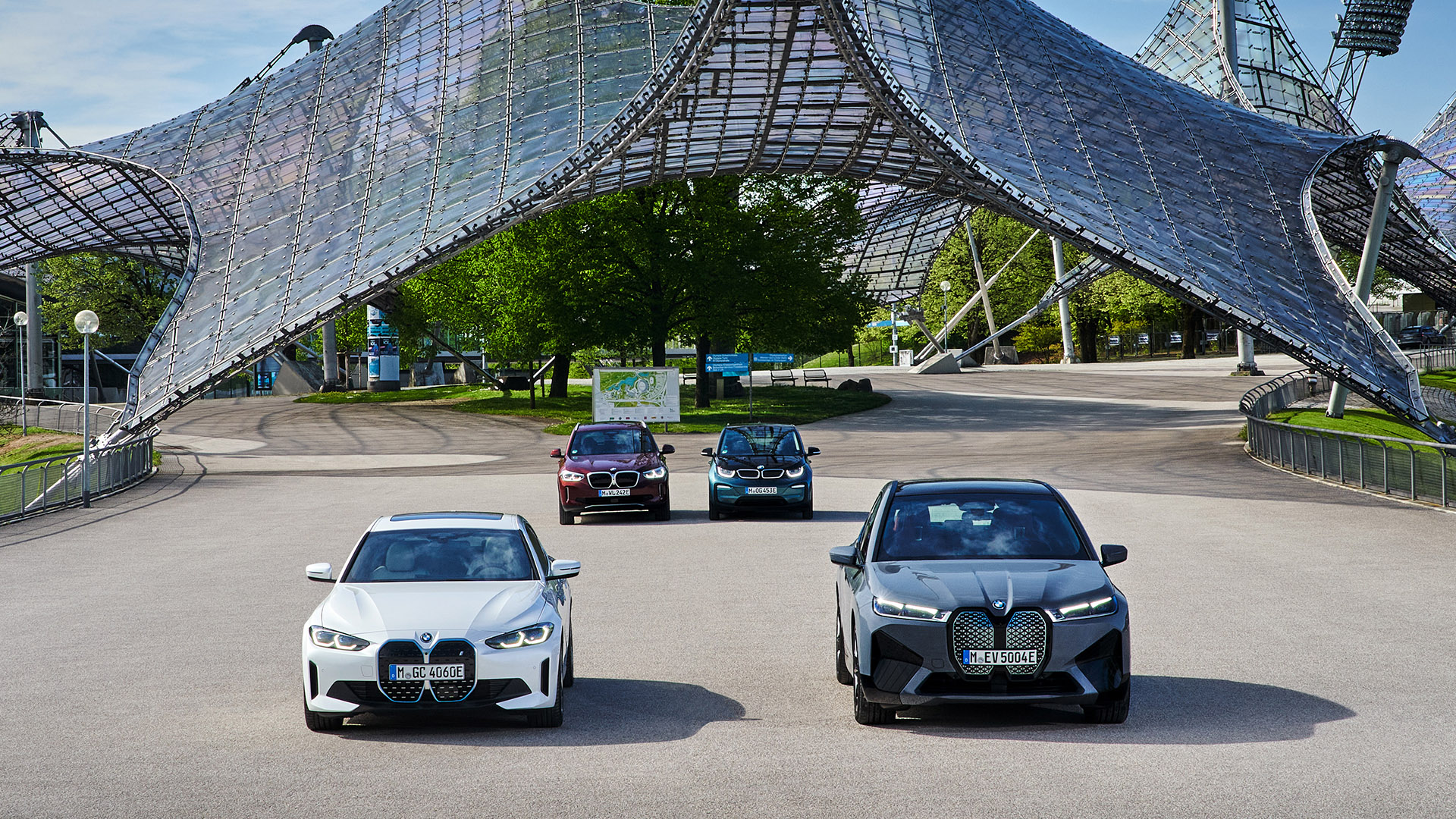
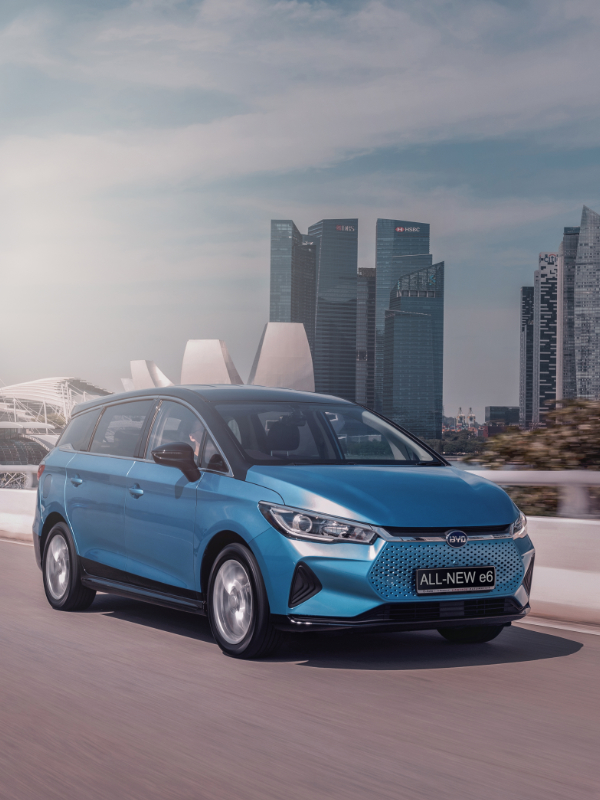
Most fully electric vehicles have a range of more than 250 kilometres. Some can go way further. The fully-electric BMW i4 eDrive40 delivers a class-leading range of up to 591km. Or the BYD e6 which has a range of 522km on a single charge. That’s like going around Singapore four times!
If you still have range anxiety, you can opt for a plug-in hybrid electric vehicle (PHEV). It runs on both battery and internal combustion engines (ICE) and switches from battery mode to petrol automatically without you worrying.
Our range of BMW electric vehiclesMisconception 2:
- What they say: EVs take a long time to charge
- What we found: About 30 minutes to charge an EV
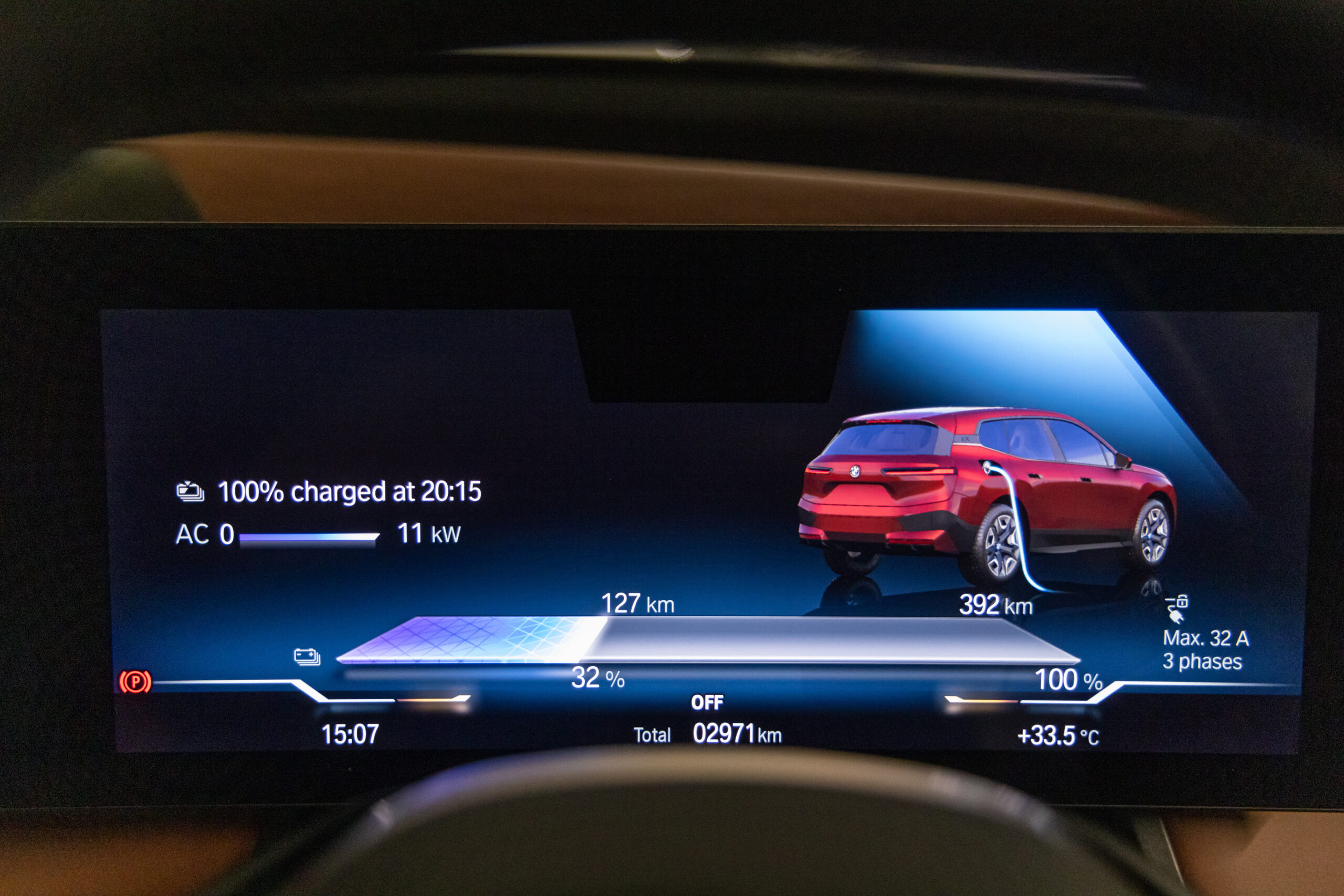
The battery size of your EV and the charging rate of the charging points can affect the time needed to charge your EV.
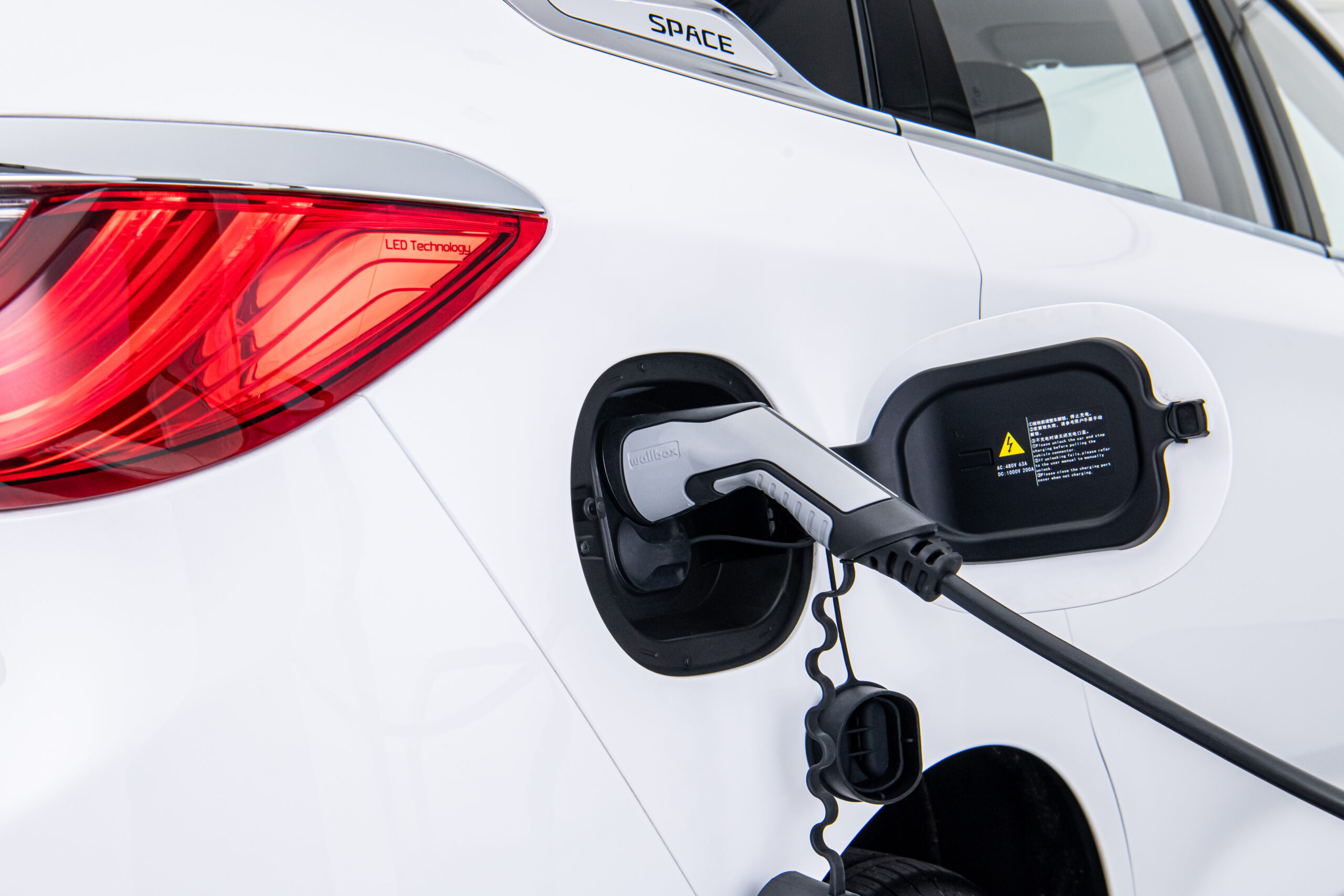
But in general, developments in fast charging technology have significantly reduced the time required. For example, you can get a full charge on the BYD e6 in less than 2 hours with a 40kW AC charger, or under 1.5 hours with a 60kW DC charger.
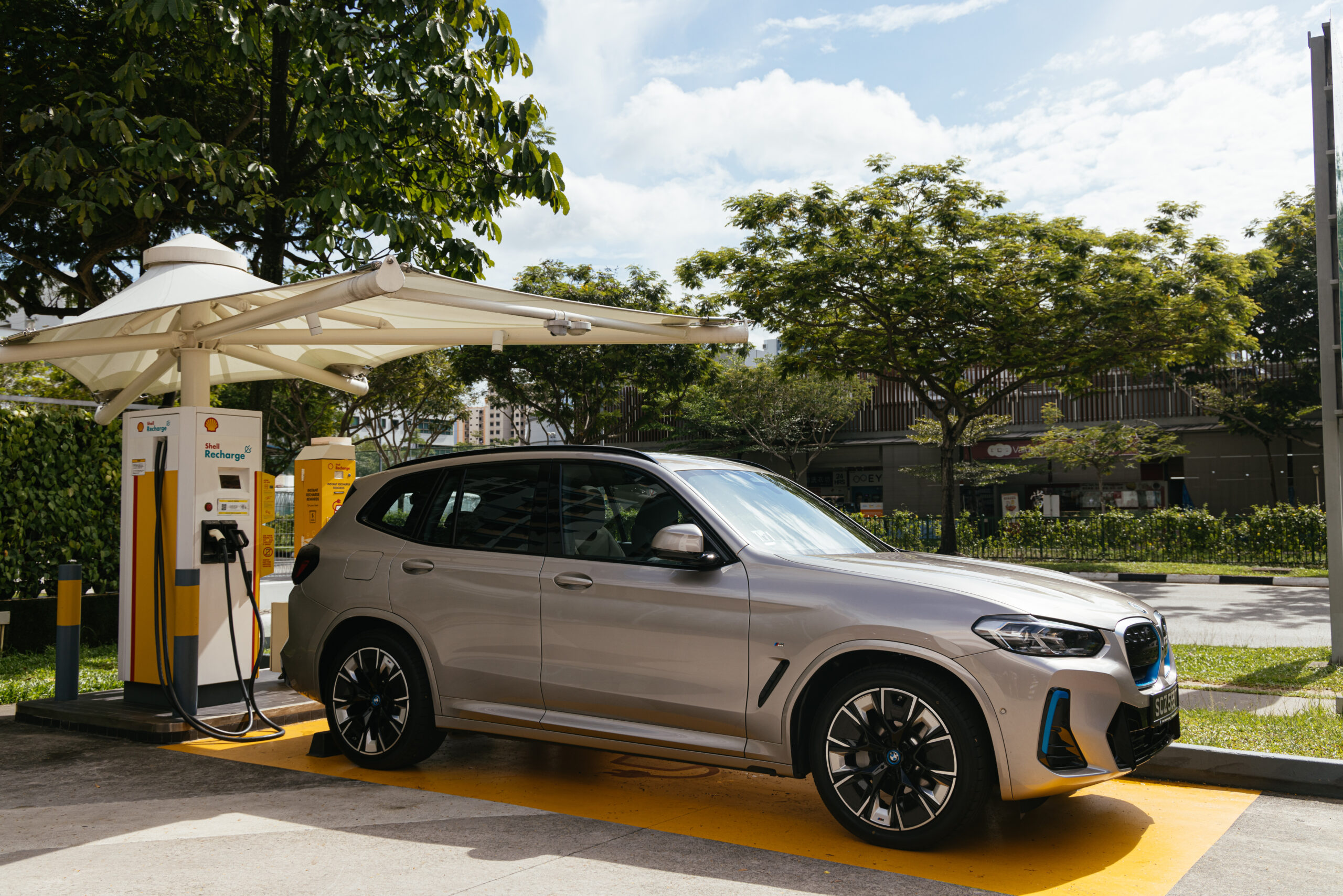
Among public charging stations in Singapore, Shell has said that it can provide 0% to 80% charge in about 30 minutes with its rapid 50kW DC chargers.
It is unlikely that kiasu Singaporeans will wait till their EV battery drains to 0% before charging so you won’t waste a lot of time hanging around stations.
Misconception 3:
- What they say: Hard to find a charging station
- What we found: Charging stations are spreading
While the number of public charging stations is still relatively small, there are plans to aggressively roll more out as Singapore prepares to phase out internal combustion engine (ICE) vehicles by 2040.
The Government is installing more than 600 EV chargers at 200 public carparks by 2023. This will be ramped up to 60,000 EV charging points across Singapore by 2030, of which 40,000 will be in public carparks and 20,000 in private premises.
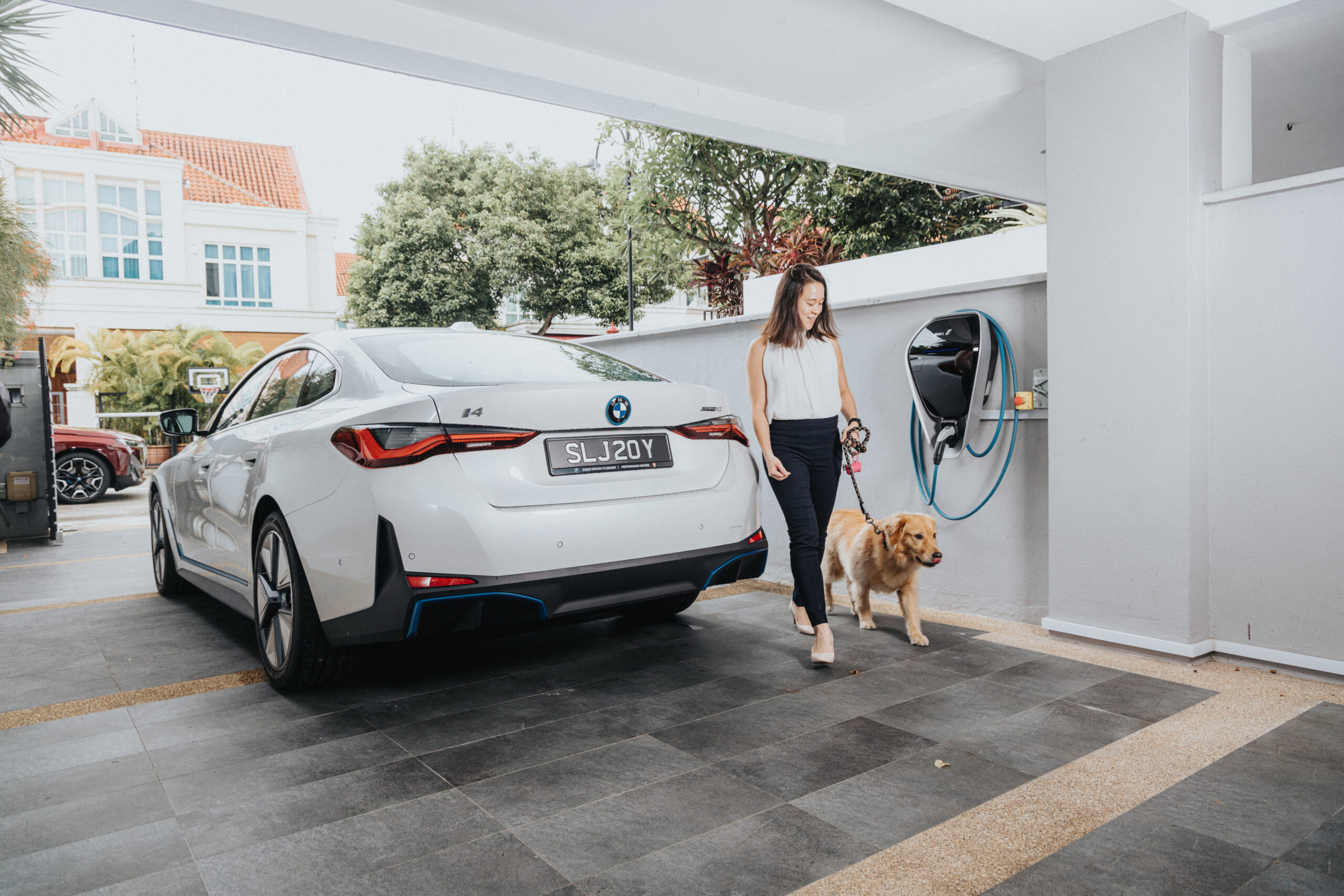
In the meantime, EV owners can tap existing charging stations such as those provided under the SP Group, BlueSG, Shell Recharge and ChargeNow (Greenlots).
Misconception 4:
- What they say: EV batteries don’t last
- What we found: EV batteries can outlive COE
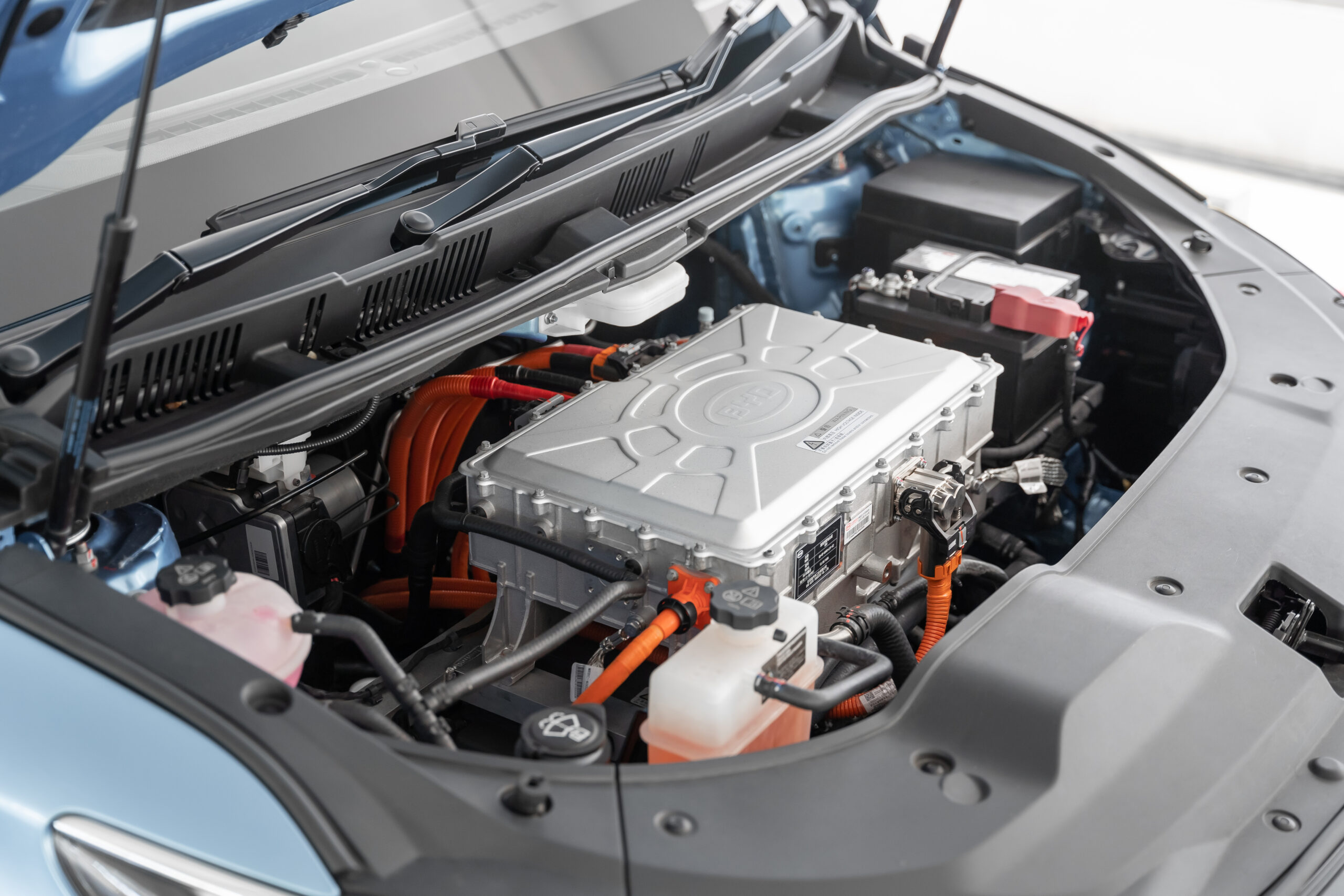
Unlike your smartphone or laptop batteries, those in EVs are designed to last for years and years.
Automakers cover their EV batteries by warranty for a number of years. BMW, for example, offers up to 8 years warranty on the batteries for its electric vehicles.
But EV batteries can have a longer lifespan that that – 10 to 20 years under normal driving conditions.
You can also help to extend the life of your EV batteries. There is no need to charge your EV every day unless you’re clocking crazy amounts of mileage. the best practice is to charge the power only to 80%. And though fast charging can be a convenient way to juice up your EV, it does contribute to faster battery degradation – so that’s something to take note of.

Want more interesting and useful content from us?
By subscribing, you’ll receive occasional email from Sime Darby Motors Singapore. You always have the choice to unsubscribe later on.
Changing Perceptions
While it is true that the majority of vehicles in Singapore runs on petrol or diesel, the scale is expected to tip in favour of EVs in the near future.
Among the main motivations for making a switch are environmental concerns and government incentives.
As more facts emerge around EVs, drivers and potential car buyers may be more assured that these vehicles will not only benefit the environment but themselves as well.